Discovering the Leading Pipeline Manufacturers: Quality, Reliability, and Technology
The pipeline manufacturing market stands at the crossway of integrity, development, and high quality, driven by leading companies such as Tenaris and Vallourec. These producers are not only devoted to creating high-performance products but are likewise pioneering lasting techniques that deal with contemporary environmental issues (Pipeline Manufacturer). As we examine the requirements that define quality in pipeline solutions, it becomes apparent that the landscape is quickly evolving. What specific innovations are arising, and how are these advancements forming the future of pipeline framework? The answers might redefine industry requirements in manner ins which are not yet fully comprehended
Leading Manufacturers Review
In the domain name of pipeline manufacturing, several crucial players become leaders, each adding considerably to the industry's landscape. Firms such as Tenaris, Vallourec, and JFE Steel have developed themselves as frontrunners by continually providing high-quality items that fulfill strict market standards. Tenaris, renowned for its ingenious solutions, focuses on seamless and bonded pipes, catering primarily to the oil and gas market. Vallourec, a French multinational, focuses on the manufacturing of premium tubular services, highlighting sustainability and advanced technology in its manufacturing procedures.
In A Similar Way, JFE Steel, a major Japanese manufacturer, is recognized for its comprehensive variety of steel pipelines, especially those utilized in power and facilities jobs. Their commitment to research study and development has actually enabled them to generate high-performance materials that hold up against harsh environmental problems. Furthermore, firms like united state Steel and National Oilwell Varco have actually broadened their market visibility by expanding their item offerings and enhancing operational efficiencies.
These leading producers not just control the marketplace however likewise drive development within the sector, establishing standards for high quality and reliability that gamers aspire to achieve. Their contributions are crucial for satisfying the raising demand for effective and resilient pipeline options worldwide.
Criteria for High Quality Assessment
Quality analysis in pipeline manufacturing rests on 2 important criteria: material resilience requirements and making process effectiveness. Ensuring that products meet extensive longevity standards is important for the durability and dependability of pipes. In addition, enhancing the manufacturing procedure can enhance performance while maintaining top quality, ultimately influencing general performance and security.
Material Durability Standards
Guaranteeing the long life and reliability of pipeline products is essential for keeping infrastructure honesty and functional effectiveness. Material resilience criteria play a crucial function in assessing the top quality of pipelines, determining the performance and life expectancy of the materials used in building. Manufacturers need to follow a range of extensive criteria, consisting of those set by companies such as ASTM International and the American Oil Institute (API)
These criteria evaluate numerous elements, including deterioration resistance, tensile stamina, and tiredness efficiency. Pipes utilized in corrosive settings call for materials that can endure chemical degradation, while those subjected to high-pressure problems need to exhibit outstanding tensile toughness.
In addition, variables such as temperature level fluctuations and environmental problems should be thought about, as these can considerably affect product habits over time. Manufacturers typically utilize advanced screening methodologies, consisting of accelerated aging tests, to mimic lasting wear and warranty that products go beyond or satisfy industry criteria.
Manufacturing Process Effectiveness
Manufacturers' capacity to optimize making procedure efficiency is crucial for creating top quality pipes that satisfy rigid industry criteria. Effectiveness in manufacturing straight affects price administration, manufacturing timelines, and general item honesty. To achieve this, leading pipeline suppliers apply sophisticated strategies such as lean manufacturing, automation, and real-time data analytics.
Lean making principles are crucial in reducing waste and optimizing resource utilization. By improving processes and removing redundancies, suppliers can improve efficiency while making certain consistent quality. Automation modern technologies, including robotics and computer system mathematical control (CNC) makers, play a pivotal duty in enhancing precision and lowering human error, therefore boosting the reliability of the final item.
In addition, the use of real-time information analytics allows producers to check production processes constantly, allowing them to identify bottlenecks and make timely modifications. This positive approach not just enhances effectiveness but also sustains quality control procedures by guaranteeing compliance with regulatory requirements.
Dependability in Pipeline Solutions
Reliability in pipeline services is critical, as it straight impacts the safety and security and performance of liquid transportation systems. Key aspects consist of the longevity of products made use of, adherence to rigorous testing and qualification criteria, and the consolidation of ingenious material solutions that boost efficiency. Understanding these elements is essential for producers aiming to supply trustworthy pipeline infrastructure.
Relevance of Sturdiness
Achieving resilience in pipeline remedies is crucial, as it straight affects the lasting performance and security of infrastructure. Long lasting pipelines are crucial for lessening upkeep prices and decreasing the probability of devastating failures. This reliability is particularly important in sectors such as oil and gas, water supply, and wastewater management, where the consequences of pipeline failure can be serious, both economically and ecologically.
The products and making processes utilized by pipeline makers play a significant duty in figuring out the sturdiness of the end product. Utilizing high-quality resources, progressed technologies, and innovative layout principles assures that pipelines can endure numerous stress factors, including pressure variations, temperature level variants, and harsh atmospheres.
The toughness of pipes is very closely linked to their ability to withstand external variables such as dirt movement, seismic activity, and chemical direct exposures. Reliable deterioration defense techniques, such as coatings and cathodic protection, additionally enhance the long life of pipelines, securing them versus deterioration gradually.
Purchasing resilient pipeline remedies eventually equates to increased operational performance, lowered downtime, and enhanced security, affirming the critical importance of sturdiness in contemporary pipeline manufacturing.
Checking and Certification Specifications
In the domain name of pipeline options, rigorous screening and qualification requirements are important to guarantee the integrity and safety of infrastructure. These criteria work as benchmarks for assessing the performance and longevity of pipeline materials and systems, verifying they satisfy details regulatory and industry demands.
Evaluating processes usually encompass different techniques, including stress screening, hydrostatic evaluations, and non-destructive testing methods. These evaluations are vital for identifying prospective weaknesses or problems in the materials prior to they are deployed in real-world applications. In addition, accreditation by acknowledged organizations assurances that makers stick to established guidelines, which cultivates count on amongst stakeholders, including end-users, service providers, and engineers.
Lots of prominent pipeline suppliers engage in constant monitoring and enhancement of their testing procedures to adjust to developing market standards and technological developments. Compliance with requirements such as ASTM, ASME, and ISO not only enhances product reliability however also decreases the threat of environmental events connected with pipeline failures.
Ingenious Product Solutions
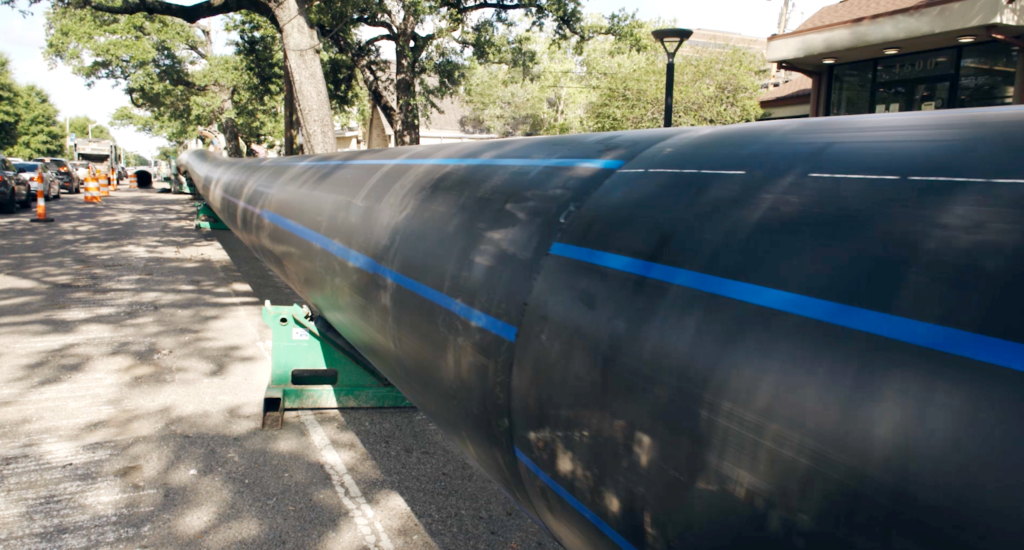
The growth of innovative product solutions has actually changed the landscape of pipeline manufacturing, enhancing both efficiency and durability. Advanced materials such as high-density polyethylene (HDPE), cross-linked polyethylene (PEX), and composite materials have actually arised as game-changers, using superior resistance to rust, temperature variations, and pressure variants. These products not only expand the life-span of pipelines but also reduce upkeep prices, making certain reliable long-term performance.
Moreover, manufacturers are significantly adopting clever products that include sensors for real-time surveillance. This technology enables positive upkeep, significantly improving reliability by detecting leaks or structural weak points prior to they rise right into crucial failures. The assimilation of nanotechnology has additionally brought about the advancement of coatings that enhance the sturdiness of pipelines versus abrasion and chemical direct exposure.
Sustainability is an additional crucial focus, with suppliers checking out bio-based compounds and recyclable materials that lessen environmental influence. As regulatory standards remain to develop, the emphasis on cutting-edge material services comes to be critical in conference strict safety and ecological demands. Inevitably, these improvements not just boost the integrity of pipeline systems however likewise add to the total effectiveness and sustainability of power transport facilities.
Innovations in Pipeline Innovation
Developments in pipeline technology are revolutionizing the industry by enhancing effectiveness, safety and security, and ecological sustainability. Current improvements focus on wise pipeline systems that utilize sensors and IoT innovation to monitor conditions in real time, allowing proactive upkeep and lowering the danger of failures. These systems can find leaks, pressure changes, and various other abnormalities, enabling for fast action and decreasing environmental impact.
Additionally, the advancement of innovative products, such as corrosion-resistant and composite alloys, considerably expands the lifespan and integrity of pipelines. HDPE Pipe Supplier (American Plastics LLC HDPE Pipeline Manufacturer). These materials reduce maintenance expenses and enhance efficiency in severe settings, making them perfect for gas, oil, and water transport
Automation and robotics are playing an important function in pipeline construction and assessment. Drones and robotic gadgets assist in surveys and analyses of hard-to-reach areas, guaranteeing comprehensive examinations without endangering safety.
In addition, cutting-edge styles, such as modular pipeline systems, enable higher versatility in setup and adjustment, satisfying the dynamic demands of the power market. Together, these technological innovations not just enhance functional efficiency however also add to a much more durable and lasting pipeline facilities, leading the way for a greener future.
Situation Studies of Success
Across numerous markets, effective applications of sophisticated pipeline modern technologies demonstrate significant improvements in operational effectiveness and safety. One notable instance is the release of wise pipeline surveillance systems in the oil and gas industry, where real-time data analytics have actually reduced leakage discovery times by over 50%. This not just minimizes ecological risks yet also improves the general honesty of pipeline facilities.

In addition, a significant manufacturer implemented robot inspection modern technologies in its pipeline upkeep operations, leading to a 40% improvement in evaluation performance. This strategy has structured upkeep timetables and significantly reduced downtime.
These study highlight just how top pipeline makers are leveraging cutting-edge technologies to cultivate reliability and operational excellence, ultimately setting new standards for the sector. As these successes remain to unfold, they lead the method for more advancements in pipeline manufacturing and administration.
Ecological Sustainability Practices
Often, pipeline producers are focusing on ecological sustainability techniques to reduce their environmental footprint and improve the durability of their items. This dedication is mirrored in different efforts targeted at decreasing waste, conserving energy, and making use of sustainable products throughout the manufacturing process.

Numerous manufacturers are taking on why not find out more sophisticated innovations that minimize discharges and energy consumption. As an example, the integration of automated systems and energy-efficient machinery assists enhance manufacturing while decreasing dependence on fossil fuels. Additionally, companies are significantly transforming to green products, such as recycled metals and bioplastics, which not just decrease the environmental influence yet additionally advertise a circular economy.
Pipeline makers are carrying out rigorous lifecycle assessments to assess the ecological ramifications of their products from creation to disposal. This method allows them to identify chances for improvement and foster liable sourcing and waste monitoring techniques.
Collaboration with environmental organizations better enhances these efforts, as manufacturers look for to straighten their operations with worldwide sustainability objectives. Eventually, these ecological sustainability practices not just add to a much healthier planet yet likewise placement manufacturers as liable leaders in the industry, attracting environmentally conscious stakeholders and customers alike.
Future Patterns in Pipeline Manufacturing
As the demand for more sustainable and efficient infrastructure expands, pipeline manufacturing is poised for substantial innovations that will certainly reshape the industry. Key patterns anticipated in the coming years include the combination of advanced materials, such as corrosion-resistant and composite alloys, which boost sturdiness while minimizing environmental impact. Manufacturers are also anticipated to embrace cutting-edge manufacturing methods, like additive manufacturing and automation, to improve processes, decrease waste, and lower costs.
The rise of smart pipeline innovations, incorporating sensing units and IoT gadgets, will certainly allow real-time surveillance and predictive maintenance, thus enhancing safety and functional effectiveness. This electronic transformation will not only optimize resource administration yet also facilitate conformity with strict environmental laws.
Sustainability will certainly stay a main focus, driving producers to spend in green methods, including energy-efficient production methods and reusing campaigns. As the worldwide emphasis on environment adjustment escalates, pipeline producers will need to adjust by creating services that meet both financial and environmental needs.
Regularly Asked Inquiries
What Industries Largely Use Pipeline Products From These Manufacturers?
Pipeline items are primarily used in sectors such as oil and water, gas and wastewater administration, chemical mining, construction, and handling. These sectors depend on efficient, durable, and risk-free transportation of products and liquids.
Just How Do Manufacturers Ensure Conformity With International Pipeline Requirements?
Manufacturers guarantee conformity with worldwide pipeline standards by applying rigorous high quality control processes, carrying out regular inspections, adhering to well-known regulative structures, and purchasing employee training to promote awareness and understanding of security and top quality needs.
What Is the Ordinary Life-span of Pipelines From Leading Manufacturers?
The average life-span of pipes from leading makers generally varies from 30 to 100 years, depending upon product, environmental problems, and upkeep practices. American Plastics LLC HDPE Pipeline Manufacturer. Normal evaluations and adherence to sector criteria considerably influence longevity and performance
Exist Certifications Particular to Pipeline Manufacturing Top Quality?
Yes, different accreditations exist for pipeline producing quality, consisting of ISO 9001 for top quality monitoring systems and API criteria details to pipelines. These qualifications guarantee adherence to extensive security, efficiency, and environmental requirements within the market.
Exactly How Do Manufacturers Manage Pipeline Upkeep and Repairs?
Manufacturers commonly carry out an aggressive upkeep technique that consists of routine inspections, checking systems for early discovery of issues, and an organized fixing protocol. This approach guarantees pipeline stability, minimizes downtime, and enhances total operational performance.
Quality assessment in pipeline manufacturing copyrights on two critical standards: product sturdiness requirements and manufacturing process effectiveness - Pipeline Manufacturer. Material durability criteria play an important role in evaluating the quality of pipes, dictating the performance and life-span of the materials made use of in building and construction. The materials and producing processes utilized by pipeline manufacturers play a substantial role in figuring out the longevity of the final item. The average lifespan of pipes from leading producers normally ranges from 30 to 100 years, depending on product, ecological problems, and maintenance techniques. Yes, various qualifications exist for pipeline producing quality, consisting of ISO 9001 for quality management systems and API standards certain to pipes
Comments on “Pipeline Manufacturer insights: the role of testing and standards”